
 7 Crete Ct, Parrearra QLD 4575, Sunshine Coast


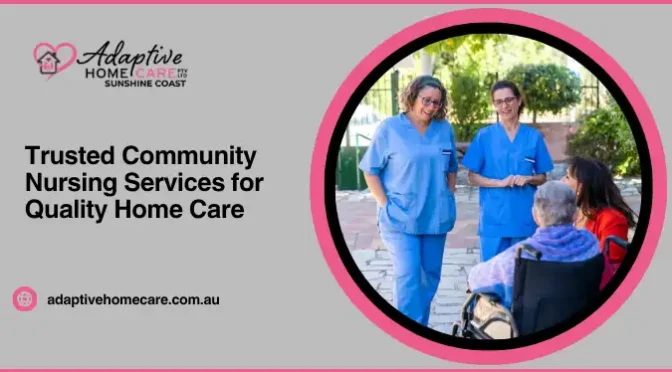
Want to enjoy better health, greater independence, and an improved quality of life? Community nursing in the Sunshine Coast can serve as one of the essential services for you. Whether it’s medication management, wound care, or ongoing health monitoring, community nursing care is designed to offer clinical support that best suits your needs and preferences.
The best part about this support program is it can be arranged in the comfort of your own home, ensuring you don’t have to step out to access the medical care that matters most to you. But what makes it so crucial for your everyday life? Let this blog help you uncover facts that bring clarity to your journey.
What Exactly is Community Nursing Care?
Going beyond just health assessments and treatment planning, community nursing care is designed for participants with a diverse range of medical support needs – offering clinical interventions, chronic disease management, and education for both participants and their primary carers.
The main goal of the service is to reduce unnecessary hospital visits or eliminate disruptions from your day-to-day routines.
How Does Community Nursing Care Support Everyday Living?
With NDIS community nursing care in the Sunshine Coast, you can assure yourself of fulfilling everyday living. Here’s how it supports and improves daily living for participants with complex healthcare needs:
-
Promoting Health and Well-Being
Community nurses are proactive at maintaining your physical and emotional well-being. Through blood pressure checks, regular health monitoring, diabetes management, and
specialised wound care, they help with complication prevention while ensuring the promotion of early intervention.
-
Supporting Independence at Home
For every NDIS participant, independent living is a top priority, and that’s what community nursing care makes happen. You get qualified nurses in the familiarity of your own home who offer ongoing medical assistance in a way that prioritises your type of independence. Through this, you can enjoy peace of mind in continuing with your daily routines with minimal disruption, knowing professional and compassionate help is readily available.
-
Ensuring Safe and Accurate Medication Management
Managing medications is challenging for participants, especially if they do it alone. With community health nursing care in the Sunshine Coast by your side, you can ensure medications are taken on time and as prescribed. In fact, they can also educate you on medication management to ensure you navigate potential side effects and interactions the right way.
-
Providing Wound and Post-Surgical Care
If you’re living with chronic wounds or recovering from surgery, professional wound care is what you should prioritise, and that’s where community nursing support comes in. The nurses appointed for your treatment and care will clean, dress, and monitor wounds whenever required to minimise the risk of infections and ensure faster healing. They also offer nursing care adjustments so you recover comfortably in your home.
Final Thoughts
If you’re dreaming of living life your way with better health and well-being, you must access community nursing near the Sunshine Coast today. Through this, you get personalised care plans to improve your overall well-being and live as independently as possible.
Get ready to alleviate anxiety and experience a more positive outlook on health and everyday life with expert community nursing care services!
Let’s Help You Thrive with Improved Health!
At Adaptive Home Care, we aim for your better health and well-being every step of the way through our specialised community nursing care program. Call us today at 0458 486 767 to discuss your needs and find out how our nurses can help shape the independence of your dreams.
Frequently Asked Questions
- Who can access NDIS community nursing care?
Participants who have medical or clinical needs requiring professional nursing assistance – such as wound care, medication management, or chronic disease monitoring – can access community nursing care through their NDIS plan under Capacity Building Supports or Core Supports.
- Can community nursing care be provided at home?
Yes. One of the biggest advantages of NDIS community nursing care is that it’s delivered in the comfort of your home, ensuring privacy, convenience, and continuity of care without frequent hospital visits.
- How often can I receive visits from a community nurse?
The frequency depends on your individual care plan and health needs. Some participants may require daily visits, while others may benefit from weekly or periodic check-ups. Your NDIS provider can customise the schedule for you.
- What types of medical services do community nurses provide?
Community nurses deliver a wide range of supports, including wound care, catheter and stoma management, medication administration, diabetes management, continence assessment, and post-hospital care. They also educate participants on managing their health safely at home.
- Are NDIS community nurses qualified professionals?
Absolutely. All community nurses providing NDIS-funded care are registered and accredited healthcare professionals who follow strict clinical and ethical standards. They bring hospital-grade expertise into a more personal, home-based setting.
- Can community nursing help me avoid hospital readmissions?
Yes. Regular monitoring and professional intervention by community nurses can identify potential health issues early, preventing complications and reducing the need for hospital readmissions.
- Is community nursing care covered under my NDIS plan?
If your disability or medical condition requires ongoing clinical support, NDIS can fund community nursing services under the Improved Daily Living or Health and Wellbeing categories. Your plan manager or support coordinator can help you access this funding.
- Can community nursing care support my family or carers too?
Definitely. Community nurses not only care for participants but also train and educate carers to safely support daily health needs, building confidence and reducing stress for families.
- What makes professional community nursing care different from regular personal care?
While personal care focuses on daily living activities like bathing and dressing, community nursing involves skilled medical tasks such as wound management, injections, and health assessments carried out by registered nurses.
- How do I get started with NDIS community nursing care?
Getting started is simple. Reach out to your NDIS provider or support coordinator, who will help you arrange an initial assessment and develop a tailored nursing care plan that meets your unique needs and goals.


